
Rodents such as rats and mice often find their way into residential and commercial properties in Hoboken, potentially leading to various health issues if not managed carefully. These animals seek shelter, food, and water in buildings, especially in densely populated urban settings where access points like cracks in foundations or gaps around pipes are common. While the presence of rodents can feel unsettling, addressing the situation methodically helps reduce risks without creating unnecessary panic. Homeowners benefit from understanding the specific conditions and illnesses linked to these pests so they can take measured steps toward a healthier living environment.
Common Rodents Found in Urban Settings
Norway rats and house mice rank among the most frequent visitors to homes and businesses in areas like Hoboken. Norway rats tend to burrow near building exteriors and prefer ground-level entry points, while house mice can squeeze through openings as small as a dime and often nest in walls or attics. Both species reproduce quickly, which means even a small initial sighting can grow into a larger issue over weeks if left unchecked. Seasonal changes also influence activity levels, with rodents moving indoors more readily during cooler months in search of warmth.
Health Conditions Linked to Rodent Activity
Rodents carry several pathogens that may affect humans through direct contact, contaminated surfaces, or airborne particles. Leptospirosis, for instance, spreads via urine-contaminated water and can cause flu-like symptoms or more serious complications if untreated. Hantavirus poses another concern, primarily transmitted through inhalation of dust from dried rodent droppings or urine, leading to respiratory difficulties in some cases. Salmonella bacteria often appear in rodent feces and may contaminate food preparation areas, resulting in gastrointestinal distress.
Lymphocytic choriomeningitis represents a less common but notable viral infection that rodents can pass along. That’s the one that tends to slip past most people until symptoms hit.
How do rodents pass on diseases?
Transmission occurs through multiple routes that residents should recognize. Droppings left on countertops or stored items can transfer bacteria when touched and then brought to the mouth. Urine trails on floors or in basements may dry and become airborne during cleaning. Bites or scratches introduce risks too, and parasites such as fleas or mites that hitch rides on rodents can further spread disease to pets and people. Understanding these pathways allows for targeted cleaning practices that minimize exposure.
Recognizing Signs of Infestation Early
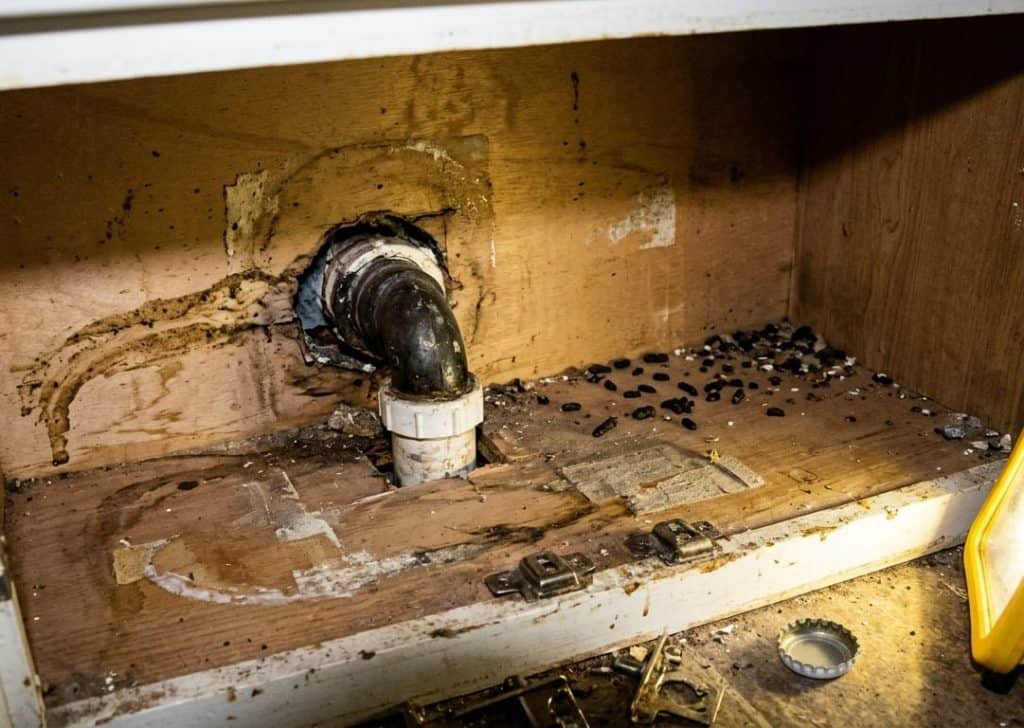
Early detection supports gentler management approaches. Gnaw marks on wood, wires, or food packaging often indicate activity, as do greasy rub marks along baseboards from repeated travel paths. Droppings appear as small, dark pellets in corners or behind appliances, while unusual noises in walls or ceilings at night may signal nesting. A persistent musty odor can also point to hidden populations. Monitoring these indicators helps residents decide when additional support becomes necessary.
Practical Steps for Reducing Rodent Presence
Simple habits contribute to lower attraction levels. Storing food in sealed containers, promptly cleaning spills, and securing trash bins limit available resources. Sealing entry points with steel wool or caulk prevents easy access, and trimming vegetation away from foundations reduces cover for outdoor rodents. Regular inspections of attics, basements, and crawl spaces allow issues to surface before they expand. These measures, aligned with UC IPM recommendations, work best when combined with consistent follow-through rather than one-time efforts.

Considering Professional Support for Complex Situations
When prevention steps do not fully resolve the matter or when health concerns feel pressing, consulting specialists offers reliable next steps. Thorough inspections, targeted removal techniques, and ongoing monitoring programs address root causes more effectively than DIY attempts alone. Residents facing persistent challenges often find that working with experienced providers leads to safer outcomes for both property and household members. Hoboken Rodent Control stands ready to assist with customized plans that prioritize thoroughness and minimal disruption. Their approach typically includes identifying access routes, applying appropriate controls, and providing guidance on long-term maintenance to keep properties protected.
Balancing Caution With Reasonable Action
Health risks from rodents deserve attention, yet they respond well to steady, informed responses rather than rushed reactions. By focusing on identification, prevention, and appropriate professional involvement when needed, residents maintain safer spaces without undue stress. Regular habits combined with expert input where appropriate create conditions where both people and properties remain healthier over time. This measured strategy proves especially useful in settings like Hoboken where urban density can amplify opportunities for rodent movement.