
HVAC Repair: Nutrition Strategies for Conditions and Diseases

Keeping the air inside your home in good shape really does help with how you feel day to day. Once you notice how the ventilation links up with what ends up on your plate, small choices about meals start to make more sense. It shows in little things, like reaching for lighter food when the room feels stuffy, or skipping a heavy meal that would only add to the drag from poor airflow.

How Air Systems Tie Into Health Issues

The air you breathe indoors can make breathing harder and stir up existing problems if things are left alone too long. Dust and bits collect when filters sit unchanged, then get pushed around the house and can set off lung trouble. Folks with long-running conditions often find their symptoms shift along with the room itself, so it helps to watch both the space and what goes into meals. One clogged vent sometimes kicks off days of feeling off. It builds up slowly so the connection stays hidden until breathing feels heavier after meals that normally would not cause trouble.

Key Conditions That Benefit from Combined Approaches

Plenty of everyday health struggles ease up when air care and food choices both get attention. Asthma and chronic bronchitis tend to settle down once irritants drop and meals lean on ingredients that calm inflammation. Cleaner air takes some daily strain off the lungs, while the right foods give the body what it needs to mend itself.

Other Conditions That Improve Too

Allergies often become easier to handle with steady help from antioxidant-rich foods and those carrying omega fats. People dealing with ongoing tiredness sometimes notice steadier energy once they tweak both their rooms and their meals. A clearer bedroom, for example, can let someone actually notice the lift from adding more greens at lunch.

Core Nutrition Principles for Respiratory Support

A balanced plate is the starting point. Colorful vegetables and fruits come first because they bring in vitamins A, C, and E that keep airway linings healthy and back up the immune system. Healthy fats from nuts, seeds, and fish help quiet inflammation. Whole grains give lasting energy without big ups and downs that wear on the body. Missing the color on the plate often means missing the compounds that soothe irritated spots. A plate with only beige foods leaves the airways without the support they need to handle daily dust exposure.

Getting Enough Protein and Fluids

Lean proteins from chicken, beans, and lentils help tissue mend. Water drunk regularly keeps mucus loose and simpler to clear. I’ve watched people skip the water side and then wonder why the stuffiness hangs around. A glass every couple of hours adds up more than most expect once they pay attention for a week.

What a Typical Day Looks Like on the Plate

Breakfast could be oatmeal with berries and walnuts. Lunch might center on a big salad of greens, grilled chicken, avocado, and olive oil. Dinner could be baked fish alongside steamed broccoli and quinoa. Simple snacks like carrot sticks with hummus or fruit with yogurt hold nutrient levels steady. These habits give ongoing support without strict rules. The real test shows up on rushed days when a quick bite still needs to match the same pattern.

Addressing Specific Nutrient Shortfalls

Many people with breathing concerns run low on vitamin D, which helps keep immune responses even. Fatty fish, fortified dairy, or doctor-guided supplements can fill the gap. Magnesium from spinach, almonds, and bananas helps muscles around the airways relax. Zinc from seeds and shellfish supports repair. Simple blood checks let adjustments fit personal needs. Fewer surprise flare-ups during season changes often follow.

Long-Term Disease Management Through Diet

Issues beyond the lungs, like heart or metabolic concerns, also improve with steady food focus. Potassium-rich items such as bananas and potatoes help keep blood pressure in check. Fiber from beans and fresh produce steadies blood sugar. Cutting back on processed foods lowers overall inflammation. These habits pair well with keeping indoor air clean and comfortable. Over time the two reinforce each other.

Building Sustainable Habits

Begin with small weekly shifts instead of big resets. Add one more serving of vegetables daily. Swap one sugary drink for water. A basic food journal helps spot links between meals and how breathing or energy feels. Over months these add up into real differences in how the body handles ordinary demands. The key is catching the small wins before motivation slips.

Professional support for air system upkeep remains important alongside these dietary steps. Regular filter changes and component checks per ICC prevent gradual buildup that can undermine health progress. Heating & Cooling Aid offers guidance on maintaining reliable performance so that indoor conditions stay supportive of wellness goals.

clean modern grey furnace tidy basement

Monitoring Progress and Adjusting

Track symptoms next to food notes for a few weeks. Watch what changes after boosting certain nutrients or after a system service. Share the notes with a healthcare provider who can fine-tune suggestions. This back-and-forth shows what fits each person without blind guessing. Sleep often gets better when both nutrition and air quality are looked after, since rough breathing at night breaks rest. Simple breathing exercises for stress pair nicely with anti-inflammatory eating. When someone tries a short walk after dinner they often find the air feels easier to move through because the body stays active enough to clear things out on its own. Walking and similar movement aid circulation and add to the gains from good nutrients.

It really does make a difference.

Continued attention to both the environment and daily meals brings steadier results. People who work on both areas usually see fewer flare-ups and more consistent energy. Consistency beats perfection, and the gradual shifts add up over months and years.

Magnesium’s Potential Role in Mood Regulation

Magnesium plays several steady roles in how brain cells send and receive signals. It helps regulate the activity at certain receptors that control nerve firing, which keeps the signals from running too high or too low for long periods. The mineral also takes part in the chemical reactions that produce energy inside cells, including the neurons that handle thinking and feeling. When magnesium levels drop, these basic processes can slow or become uneven, and that may show up as changes in how steady a person’s energy or focus feels over the course of a day.

People have noticed for years that low magnesium often appears alongside shifts in mood. Blood tests and dietary records from groups with ongoing low mood sometimes show lower magnesium than in groups without those symptoms. The pattern turns up in different age ranges and in both men and women, though the size of the difference varies from one study group to another. It remains unclear whether the low magnesium comes first or follows changes in eating habits and stress that often accompany low mood. Still, the repeated observation has led some researchers to look at whether restoring normal levels makes any difference in how people describe their daily state.

How Magnesium Supports Nerve Activity

Inside the brain, magnesium acts as a natural brake on certain excitatory pathways. Without enough of it, glutamate can keep stimulating cells longer than needed, which uses up energy stores faster. Magnesium also helps move calcium in and out of cells at the right times, and that movement affects how quickly signals travel along nerve fibers. In everyday terms, this is similar to keeping a car engine from idling too high; the system stays responsive but does not stay revved when it should be at rest. When magnesium is short, some people notice more muscle twitches or trouble settling at night, though these signs differ widely.

Patterns Seen in Mood and Magnesium Levels

Clinical observations have linked lower magnesium intake or blood levels with reports of irritability, tiredness, and a flatter mood that lasts weeks or months. In some cases the connection appears stronger when people also eat fewer vegetables and whole grains over long periods. Other factors such as heavy sweating from work or exercise, or long stretches of digestive upset, can pull magnesium out of the body faster than usual. These observations come from comparing groups rather than tracking single individuals, so they point to a possible influence rather than a guaranteed cause. Results have not been the same in every setting, which leaves room for other influences like sleep patterns or overall diet quality.

Everyday Sources and What Affects Absorption

Magnesium shows up in several common foods that fit into regular meals. Leafy greens such as spinach or Swiss chard provide a useful amount when eaten a few times a week. Nuts and seeds, especially almonds and pumpkin seeds, deliver it in small handfuls. Whole grains like oats or brown rice contain it as well, though refining removes much of the mineral. Beans and lentils add another steady source for many people.

Absorption depends on several practical things. Large amounts of fiber or phytates from grains and beans can hold some magnesium back in the digestive tract. On the other hand, eating those same foods regularly seems to support overall mineral balance better than avoiding them. Gut conditions that speed transit or reduce acid can lower how much gets taken up. Cooking methods matter too; boiling greens and discarding the water carries away some of the magnesium that would otherwise stay in the meal.

Points on Taking Extra Magnesium

Many people reach for supplements when food sources fall short, and several forms exist. Magnesium oxide tends to stay in the gut more and can loosen stools, while forms like citrate or glycinate move into the bloodstream more readily for some users. Starting with a moderate amount and watching how the body responds is the usual approach. High doses taken at once often cause loose bowels before anything else shows up, which serves as a built-in limit for many adults.

People who take prescription medicines for blood pressure, heart rhythm, or antibiotics should check with a clinician first, because magnesium can change how those drugs behave. Kidney function also matters, since the mineral leaves the body through urine and very high intakes can build up if clearance is reduced. Most adults handle ordinary supplemental amounts without trouble, yet individual tolerance varies and the best amount depends on diet and activity level rather than a single fixed number.

Rodent Control in Hoboken: Conditions and Diseases From Pests

Rodents such as rats and mice often find their way into residential and commercial properties in Hoboken, potentially leading to various health issues if not managed carefully. These animals seek shelter, food, and water in buildings, especially in densely populated urban settings where access points like cracks in foundations or gaps around pipes are common. While the presence of rodents can feel unsettling, addressing the situation methodically helps reduce risks without creating unnecessary panic. Homeowners benefit from understanding the specific conditions and illnesses linked to these pests so they can take measured steps toward a healthier living environment.

Common Rodents Found in Urban Settings

Norway rats and house mice rank among the most frequent visitors to homes and businesses in areas like Hoboken. Norway rats tend to burrow near building exteriors and prefer ground-level entry points, while house mice can squeeze through openings as small as a dime and often nest in walls or attics. Both species reproduce quickly, which means even a small initial sighting can grow into a larger issue over weeks if left unchecked. Seasonal changes also influence activity levels, with rodents moving indoors more readily during cooler months in search of warmth.

Health Conditions Linked to Rodent Activity

Rodents carry several pathogens that may affect humans through direct contact, contaminated surfaces, or airborne particles. Leptospirosis, for instance, spreads via urine-contaminated water and can cause flu-like symptoms or more serious complications if untreated. Hantavirus poses another concern, primarily transmitted through inhalation of dust from dried rodent droppings or urine, leading to respiratory difficulties in some cases. Salmonella bacteria often appear in rodent feces and may contaminate food preparation areas, resulting in gastrointestinal distress.

Lymphocytic choriomeningitis represents a less common but notable viral infection that rodents can pass along. That’s the one that tends to slip past most people until symptoms hit.

How do rodents pass on diseases?

Transmission occurs through multiple routes that residents should recognize. Droppings left on countertops or stored items can transfer bacteria when touched and then brought to the mouth. Urine trails on floors or in basements may dry and become airborne during cleaning. Bites or scratches introduce risks too, and parasites such as fleas or mites that hitch rides on rodents can further spread disease to pets and people. Understanding these pathways allows for targeted cleaning practices that minimize exposure.

natural pest control with magnesium

Recognizing Signs of Infestation Early

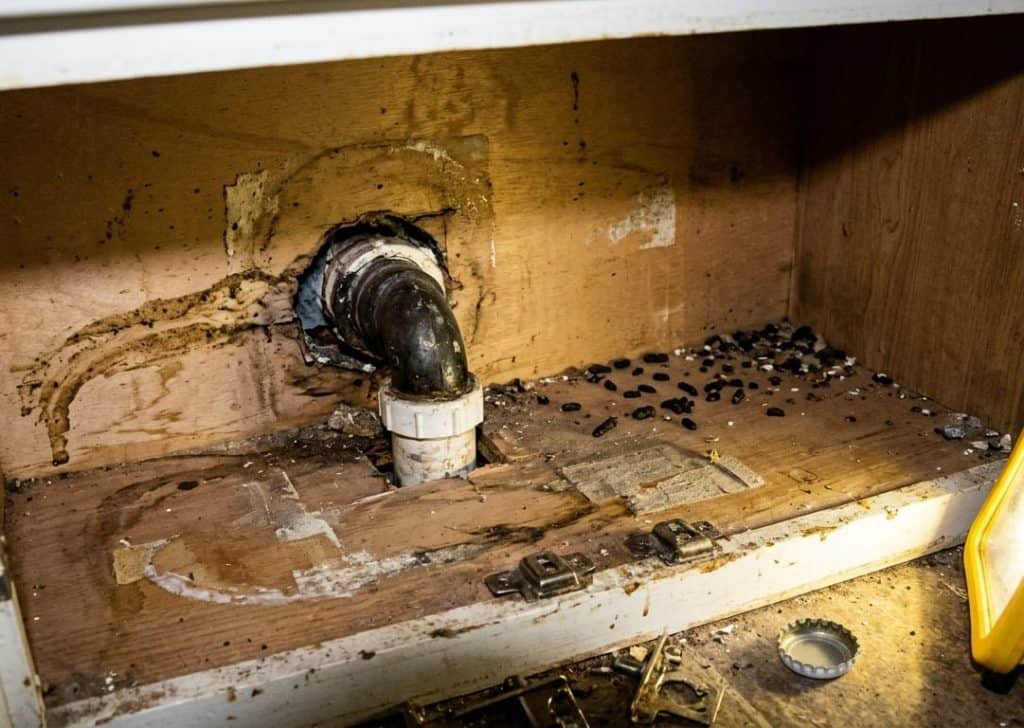
Early detection supports gentler management approaches. Gnaw marks on wood, wires, or food packaging often indicate activity, as do greasy rub marks along baseboards from repeated travel paths. Droppings appear as small, dark pellets in corners or behind appliances, while unusual noises in walls or ceilings at night may signal nesting. A persistent musty odor can also point to hidden populations. Monitoring these indicators helps residents decide when additional support becomes necessary.

Practical Steps for Reducing Rodent Presence

Simple habits contribute to lower attraction levels. Storing food in sealed containers, promptly cleaning spills, and securing trash bins limit available resources. Sealing entry points with steel wool or caulk prevents easy access, and trimming vegetation away from foundations reduces cover for outdoor rodents. Regular inspections of attics, basements, and crawl spaces allow issues to surface before they expand. These measures, aligned with UC IPM recommendations, work best when combined with consistent follow-through rather than one-time efforts.

zinc pest repellent research

Considering Professional Support for Complex Situations

When prevention steps do not fully resolve the matter or when health concerns feel pressing, consulting specialists offers reliable next steps. Thorough inspections, targeted removal techniques, and ongoing monitoring programs address root causes more effectively than DIY attempts alone. Residents facing persistent challenges often find that working with experienced providers leads to safer outcomes for both property and household members. Hoboken Rodent Control stands ready to assist with customized plans that prioritize thoroughness and minimal disruption. Their approach typically includes identifying access routes, applying appropriate controls, and providing guidance on long-term maintenance to keep properties protected.

Balancing Caution With Reasonable Action

Health risks from rodents deserve attention, yet they respond well to steady, informed responses rather than rushed reactions. By focusing on identification, prevention, and appropriate professional involvement when needed, residents maintain safer spaces without undue stress. Regular habits combined with expert input where appropriate create conditions where both people and properties remain healthier over time. This measured strategy proves especially useful in settings like Hoboken where urban density can amplify opportunities for rodent movement.

Zinc Lozenges and Upper Respiratory Symptoms

Zinc and How It Meets Rhinoviruses

Laboratory work has looked at zinc ions and the way they meet up with rhinoviruses outside living cells. In these setups the metal seems to keep the virus from binding to the surfaces it normally uses to get inside. Without that first step the virus cannot start making copies of itself in the usual way.

People sometimes picture a cold virus as something that slips into the lining of the nose or throat and then multiplies quickly. Zinc appears to slow that multiplication when it is present in enough amount at the right moment. The effect shows up most clearly in test tubes where conditions can be controlled and measured directly.

Another line of lab tests has checked whether zinc changes the structure of the virus particles themselves. Some results suggest the ions can damage the outer coat enough to make the virus less able to infect new cells. This kind of change would explain why symptoms might not last as long once the lozenges are started.

Using Lozenges and Watching the Clock

Lozenges let zinc stay in the mouth and throat for several minutes with each dose. That local presence matters because most cold viruses begin their work right in those passages. Swallowing a tablet or capsule instead sends the mineral farther down before it can act at the surface.

Starting the lozenges within the first day or two of feeling scratchy or tired tends to line up with shorter symptom time in the reports that track this detail. Waiting until the cold is already in full swing leaves less room for the same pattern to appear. The difference comes down to whether enough zinc reaches the virus before it has spread widely.

Form of the lozenge also plays a part because some dissolve too fast or carry flavors that cut down contact time. People who have tried different kinds notice that a slower dissolve gives the ions more chance to stay where the virus is active. That practical detail shows up again when results from different groups are compared side by side.

What Changes the Outcome

The amount of zinc released from each lozenge sets a basic limit on what can happen. Too little and the effect stays small. Enough to reach the levels seen in the early lab work and the chance of shorter illness rises.

Other foods and drinks taken at the same time can bind the zinc before it has a chance to act. Citrus, coffee, or dairy right after a lozenge are common examples that reduce contact. Spacing these items by at least half an hour keeps the mineral free in the mouth longer.

Individual differences in saliva flow and mouth chemistry also matter. Someone who produces more saliva may clear the lozenge faster and therefore needs a slightly different schedule. Those variations help explain why results are not the same for every person even when the product is identical.

Putting Lozenges to Use

A steady pattern of doses through the waking hours keeps zinc levels from dropping off too soon. Many who use this approach take one every two or three hours while symptoms are strongest. The goal is continuous presence rather than a single large amount.

Sticking with the lozenges only while the cold is active avoids longer exposure than needed. Most colds run their course in a week or so, and that window gives a clear end point for the mineral. After that the usual daily food sources are enough to meet ordinary needs.

Checking with a doctor makes sense if other health conditions are already present or if other medicines are in regular use. Zinc can change how some drugs behave, so a short conversation clears the path. The same step helps decide whether this approach fits the particular situation at hand.

Side Effects That Can Show Up

A strong metallic taste is the complaint heard most often with zinc lozenges. It usually fades once the lozenge is gone and does not linger for days. Still, the taste can make eating or drinking less pleasant while the doses continue.

Some people notice mild nausea or an upset stomach when the lozenges are taken on an empty mouth. Taking them after a small snack that does not bind zinc can ease this without losing the contact time in the throat. Persistent discomfort is a signal to stop and check further.

Longer or repeated courses raise the chance of lowering copper stores over time. Keeping use to the length of one cold keeps that risk small for most adults. Anyone planning to repeat the approach several times in a season does well to space the periods out.