
The Hidden Health Risks of Water Damage
Water damage in homes and buildings creates far more than just structural problems and aesthetic concerns. When water infiltrates indoor spaces, it sets off a chain reaction of biological and chemical processes that can significantly impact human health. Among the lesser-known connections is the relationship between water damage, mold growth, and essential mineral deficiencies—particularly magnesium depletion.
Understanding these interconnected health risks is crucial for homeowners, especially in areas prone to flooding, pipe bursts, or high humidity conditions. The implications extend beyond visible damage to affect the body’s fundamental biochemical processes.
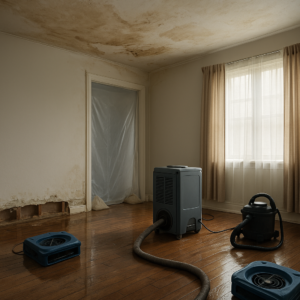
How Water Damage Creates the Perfect Environment for Mold
Mold spores exist virtually everywhere in our environment, but they remain dormant until they encounter the right conditions for growth. Water damage provides exactly what mold needs to thrive: moisture, organic materials to feed on, and often inadequate ventilation.
Within 24 to 48 hours of water exposure, mold can begin colonizing drywall, wood, carpet, and other porous materials. Common mold species found in water-damaged buildings include:
- Stachybotrys chartarum (black mold)
- Aspergillus species
- Penicillium species
- Cladosporium species
- Alternaria species
These organisms release spores, mycotoxins, and volatile organic compounds into the air, creating an indoor environment that can trigger various health responses in occupants.
The Mold-Magnesium Connection
Recent research has revealed an intriguing link between mold exposure and magnesium depletion in the human body. Magnesium is the fourth most abundant mineral in the body and participates in over 300 enzymatic reactions, including energy production, protein synthesis, muscle and nerve function, and blood pressure regulation.
When the body is exposed to mold toxins, the immune system mounts a defensive response that requires significant resources. This inflammatory response increases the body’s demand for magnesium while simultaneously impairing the absorption of this critical mineral. Mycotoxins can damage the intestinal lining, reducing the body’s ability to absorb nutrients effectively.
Additionally, the detoxification processes required to eliminate mold toxins from the body are magnesium-dependent. As the liver works to neutralize and excrete these harmful compounds, magnesium stores become depleted more rapidly than normal.
Addressing Water Damage Promptly
The key to preventing mold-related health issues is addressing water intrusion immediately. Professional intervention makes a substantial difference in outcomes, as trained technicians have the equipment and expertise to thoroughly dry affected areas and prevent mold colonization.
When dealing with significant water intrusion, property owners should seek qualified professionals who can properly assess the extent of damage and implement comprehensive remediation strategies. For residents facing these challenges, water damage restoration in Mesa provides essential services to protect both property and health.
Professional restoration includes moisture detection in hidden areas, industrial-grade drying equipment, antimicrobial treatments, and verification that moisture levels have returned to safe ranges. These steps are critical for preventing the mold growth that leads to downstream health consequences.
Symptoms of Magnesium Deficiency Related to Mold Exposure
People living or working in water-damaged buildings may experience magnesium deficiency without recognizing the connection. Common symptoms include:
- Muscle cramps, spasms, or twitches
- Chronic fatigue and weakness
- Irregular heartbeat or palpitations
- Headaches and migraines
- Anxiety and depression
- Difficulty sleeping
- Brain fog and poor concentration
- Numbness or tingling in extremities
These symptoms often overlap with general mold illness symptoms, making diagnosis challenging. However, healthcare providers familiar with mold-related illness increasingly recognize magnesium depletion as a contributing factor to patient symptoms.
Supporting Recovery Through Magnesium Supplementation
For individuals who have been exposed to mold in water-damaged environments, restoring adequate magnesium levels often becomes an important component of recovery. However, supplementation should be approached thoughtfully and ideally under medical supervision.
Forms of Magnesium
Not all magnesium supplements are equally effective. Some forms are better absorbed than others:
Magnesium glycinate is highly bioavailable and well-tolerated, making it suitable for those with digestive sensitivities.
Magnesium citrate absorbs well but may have a laxative effect at higher doses.
Magnesium threonate has shown particular promise for cognitive symptoms and brain fog.
Magnesium malate may be especially helpful for fatigue and muscle pain.
Topical magnesium applications, such as magnesium chloride oil or Epsom salt baths, can provide additional support by bypassing the digestive system.
Prevention and Long-Term Protection
Beyond addressing active water damage and mold growth, homeowners should implement preventive strategies to protect their health long-term.
Regular inspection of plumbing, roofs, and foundations can catch small problems before they become major water intrusion events. Maintaining proper ventilation, especially in bathrooms and kitchens, helps control humidity levels that support mold growth. Monitoring local weather conditions through resources like the National Weather Service can help property owners prepare for severe weather events that may lead to water damage.
Using dehumidifiers in basements and other moisture-prone areas keeps relative humidity below 60 percent, a level that inhibits most mold growth. Installing water leak detection systems provides early warning of plumbing failures. In flood-prone areas, understanding flood control measures and infrastructure can help homeowners assess their risk and take appropriate preventive action.
The Bigger Picture: Environmental Health Matters
The connection between water damage, mold, and magnesium deficiency illustrates a broader principle: our indoor environments profoundly affect our physical health. Buildings are not just shelter—they’re ecosystems that interact with human biology in complex ways.
Recognizing these connections empowers property owners to take proactive steps that protect both structural integrity and human wellness. When water damage occurs, prompt professional remediation is not merely about saving floors and walls—it’s about safeguarding the health of everyone who occupies that space.
By understanding how environmental factors like mold exposure can deplete essential nutrients like magnesium, individuals can make informed decisions about remediation, supplementation, and long-term prevention strategies that support optimal health.