
The Hidden Environmental Health Crisis Behind Pittsburgh’s Aging Siding
Pittsburgh homeowners face a unique challenge that many don’t fully understand until it’s too late. Our city’s distinctive climate—with its humid summers, freezing winters, and industrial legacy—creates the perfect storm for siding deterioration that goes far beyond mere aesthetics. When exterior cladding fails, it doesn’t just impact curb appeal; it triggers a cascade of environmental health concerns that can affect your family’s wellbeing for years to come.
I’ve been working with Pittsburgh families for over two decades, and I’ve seen firsthand how compromised siding systems create breeding grounds for mold, allow moisture infiltration that degrades indoor air quality, and even trap pollutants against your home’s structure. The good news? Modern siding contractors in our region have developed building practices specifically designed to address these environmental health challenges head-on.
Understanding the Connection Between Siding and Indoor Environmental Quality
Most homeowners don’t realize that their exterior siding serves as the first line of defense against environmental contaminants. In Pittsburgh, where we still deal with residual industrial pollutants and high humidity levels, this protective barrier becomes even more critical. When siding fails—through cracks, warping, or improper installation—it creates pathways for moisture, allergens, and pollutants to penetrate your home’s envelope.
The health implications are significant. Moisture intrusion leads to mold growth within wall cavities, releasing spores into your living spaces. I’ve assessed hundreds of homes where families experienced unexplained respiratory issues, only to discover extensive mold colonies hidden behind deteriorating siding. These aren’t just cosmetic problems; they’re legitimate health hazards that require immediate attention.
If you’re concerned about whether your home’s siding is protecting your family’s health or compromising it, go here to connect with professionals who understand the specific environmental challenges Pittsburgh homes face.
Pittsburgh’s Climate: A Perfect Storm for Siding-Related Health Issues
Our city’s weather patterns create unique challenges that contractors must address through specialized building practices. Pittsburgh experiences:
- Average annual precipitation exceeding 38 inches
- Freeze-thaw cycles that exceed 40 per winter season
- Humidity levels regularly reaching 70% or higher during summer months
- Temperature swings that can span 50 degrees within a single week
These conditions accelerate siding degradation and create opportunities for environmental health problems to develop. Traditional installation methods that might work in drier, more temperate climates simply don’t hold up under Pittsburgh’s demanding conditions.
The Freeze-Thaw Factor
When water penetrates behind siding and then freezes, it expands with tremendous force. This cycle repeats dozens of times each winter, gradually creating larger gaps and cracks. These openings don’t just let in more water—they also allow cold air infiltration, forcing your HVAC system to work harder and potentially drawing in outdoor pollutants and allergens.
I’ve removed siding from century-old homes in Shadyside and Squirrel Hill where this freeze-thaw damage created cavities large enough to house entire colonies of insects and rodents. The health implications of pest infiltration combined with moisture damage create serious indoor air quality concerns that many families live with unknowingly.
Modern Building Practices That Prioritize Environmental Health
Today’s leading siding contractors in Pittsburgh have evolved their practices to specifically address environmental health concerns. These aren’t just improvements—they’re fundamental changes in how we approach exterior cladding installation.
Advanced Moisture Management Systems
Proper moisture management begins long before the first piece of siding goes up. We now implement comprehensive water management strategies that include:
- Rainscreen technology that creates an air gap behind siding materials
- High-performance weather-resistant barriers that exceed basic building code requirements
- Strategic flashing installations at all vulnerable penetration points
- Proper drainage plane establishment to direct water away from the structure
The rainscreen approach has revolutionized how we protect Pittsburgh homes. By creating a ventilated cavity between the siding and the weather-resistant barrier, we allow any moisture that does penetrate to drain freely and evaporate naturally. This dramatically reduces the risk of mold growth and wood rot—two major contributors to poor indoor air quality.
Material Selection for Health-Conscious Homeowners
Not all siding materials perform equally when it comes to environmental health protection. In Pittsburgh’s challenging climate, material selection makes an enormous difference in long-term performance and health outcomes.
Fiber Cement Siding
This has become my go-to recommendation for health-conscious Pittsburgh homeowners. Fiber cement is naturally resistant to moisture absorption, doesn’t support mold growth, and won’t off-gas volatile organic compounds (VOCs) into your home environment. It stands up exceptionally well to our freeze-thaw cycles and provides superior impact resistance against the hail and wind-driven rain we experience.
Engineered Wood Products
Modern engineered wood siding has come a long way from the problematic products of the 1990s. Today’s versions incorporate moisture-resistant treatments and are manufactured with low-VOC adhesives. When properly installed with appropriate moisture barriers, they provide excellent performance while maintaining the natural aesthetic many Pittsburgh homeowners prefer.
Vinyl Siding Considerations
While vinyl remains popular due to its affordability, quality matters tremendously. Premium vinyl products designed for northern climates include features like thicker panels, reinforced nail hems, and UV-resistant formulations that prevent the brittleness that leads to cracking. Lower-quality vinyl can off-gas chemicals when new and becomes brittle over time, creating the very gaps and cracks that compromise environmental health.
The Critical Role of Proper Installation
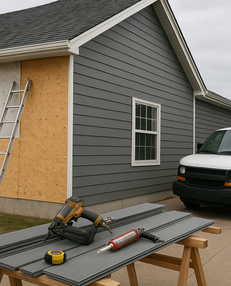
Even the highest-quality siding materials will fail to protect your family’s health if installation practices are substandard. I’ve remediated countless projects where the materials were excellent but the installation created pathways for moisture infiltration and air leakage.
Ventilation Requirements
Proper ventilation behind siding isn’t optional—it’s essential for preventing moisture accumulation that leads to mold growth. This requires:
- Maintaining consistent air gaps throughout the installation
- Installing ventilation strips at the bottom and top of wall sections
- Ensuring soffit and ridge vents work in conjunction with the siding system
- Avoiding installations that trap moisture against the building envelope
In Pittsburgh’s humid summers, inadequate ventilation can cause moisture levels behind siding to reach saturation points where mold growth becomes inevitable. I’ve measured humidity levels exceeding 80% in wall cavities where ventilation was compromised—conditions that guarantee environmental health problems.
Flashing and Sealing Protocols
Every window, door, utility penetration, and transition point represents a potential failure point where water can enter your wall system. Advanced building practices require meticulous attention to these vulnerable areas through:
Properly integrated flashing systems that direct water outward and downward, away from the structure. We use self-adhering membrane flashings at critical junctures because they create watertight seals that mechanical fasteners alone cannot achieve.
High-quality sealants applied at all appropriate locations—but not over-sealed in ways that trap moisture inside wall cavities. There’s a delicate balance between preventing water intrusion and allowing moisture vapor to escape, and experienced contractors understand exactly where this balance lies.
Addressing Pittsburgh’s Legacy Pollution Concerns
Our city’s industrial heritage left behind environmental challenges that affect how we approach building practices today. Older Pittsburgh neighborhoods may have elevated levels of heavy metals and other contaminants in soil and on building surfaces. When replacing siding on homes built before 1980, responsible contractors take additional precautions.
Lead paint remains a concern on many Pittsburgh properties. Disturbing lead-painted surfaces during siding replacement can create health hazards if not properly managed. Certified contractors follow EPA’s Lead Renovation, Repair, and Painting Rule, implementing containment practices that protect both workers and occupants.
Asbestos-containing siding materials were common in Pittsburgh homes built through the 1970s. These materials are generally safe when left undisturbed, but removal requires specialized handling to prevent fiber release. Experienced contractors can identify these materials and implement appropriate abatement procedures before new siding installation.
Energy Efficiency and Indoor Air Quality
There’s a direct connection between your home’s energy efficiency and indoor environmental quality. When siding systems fail to provide adequate thermal protection, your HVAC system runs constantly, potentially drawing in outdoor pollutants and failing to properly filter indoor air.
Modern siding installations incorporate continuous insulation strategies that dramatically improve thermal performance. Insulated siding products and properly installed foam board sheathing reduce thermal bridging and create more stable indoor temperatures. This allows your HVAC system to operate more efficiently while better controlling humidity levels—a critical factor in preventing mold growth and maintaining healthy indoor air.
Long-Term Maintenance for Sustained Environmental Health Protection
Even the best siding installation requires ongoing maintenance to continue protecting your family’s health. Pittsburgh’s demanding climate means you should inspect your siding system at least twice annually, looking for:
- Cracks or gaps in sealant joints
- Loose or damaged siding panels
- Signs of moisture staining or mold growth
- Damaged or missing flashing components
- Pest infiltration evidence
Early detection of minor issues prevents them from escalating into major environmental health concerns. A small crack that allows moisture penetration today can become an extensive mold problem within months if left unaddressed.
Making Informed Decisions About Your Home’s Health
Understanding the connection between siding quality and environmental health empowers you to make better decisions about your Pittsburgh home. When evaluating contractors and materials, prioritize those who demonstrate knowledge of moisture management, proper ventilation, and health-conscious building practices.
Ask potential contractors about their experience with Pittsburgh’s specific climate challenges. Request references from projects in neighborhoods similar to yours. Verify that they carry appropriate insurance and follow current building codes—which represent minimum standards, not best practices.
Your home’s siding system does more than protect against weather—it safeguards your family’s health by controlling moisture, preventing mold growth, and maintaining indoor air quality. By working with contractors who understand these connections and implement advanced building practices, you ensure that your investment delivers both aesthetic appeal and genuine health protection for decades to come.